

Food waste is a global problem but for UK food importers, it is also a daily operational challenge.
The data shows the scale clearly: over one-third of all food produced globally is wasted, leading to enormous environmental and financial losses.
The UN estimates food waste contributes 8–10% of all man‑made greenhouse gas emissions.
And the UK, despite progress, still faces significant waste across households, retailers and supply chains.
Yet there is good news:
most food waste can be prevented long before products reach the shelf.
From better temperature control to smarter planning, UK importers can play a decisive role in reducing waste, protecting margins, safeguarding product integrity and improving sustainability.
This guide explains how.
Strengthen Your Cold Chain to Prevent Early Spoilage
A major portion of food waste happens before the retail stage, during transport and storage.
Global data shows that 13% of food is lost between harvest and retail, often due to temperature instability or inadequate handling.
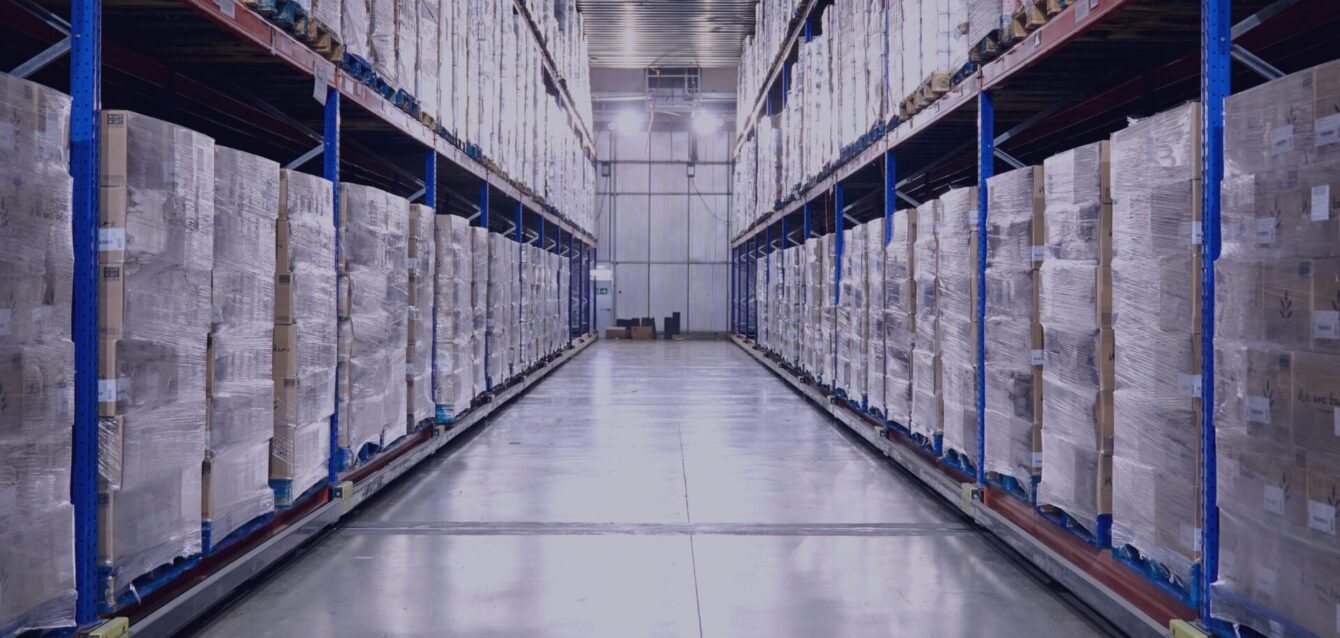
For UK importers of chilled and frozen goods, the cold chain is the first line of defence against waste.
Key actions that reduce waste:
- ensure stable temperatures throughout transport
- monitor temperature deviations in real time
- plan routes that avoid delays and unnecessary idle time
- avoid overloading drops during multi‑drop frozen or chilled deliveries
The World Resources Institute highlights that a lack of cold storage and temperature‑controlled infrastructure remains one of the main causes of food loss globally.
Strengthening the cold chain = extending shelf life + reducing rejections.
Improve Inventory Rotation and Shelf-Life Management
One of the most effective food waste reduction methods is operationally simple: FIFO (First In, First Out).
It ensures that older products are used or sold before newer stock, preventing expiry‑related waste.
FIFO is recognised globally as a proven waste‑prevention strategy and widely used by major retailers.
For importers, it means:
- aligning inbound delivery dates with outbound forecasts
- sharing shelf-life data with partners
- avoiding long dwell times at depots or cross‑docking facilities
Every hour matters for fresh and chilled goods.
Reduce Food Waste Through Better Forecasting and Planning
Poor forecasting and inflexible procurement processes are a well‑documented cause of food waste at retail and pre‑retail level.
The World Resources Institute notes that food waste often occurs when businesses misjudge demand, causing oversupply or expiration in storage.
To reduce waste, importers can:
- adjust purchasing based on real lead times
- use historical data to forecast peak periods
- coordinate delivery cycles directly with retailers
- apply flexible procurement models to avoid overstocking
Planning and accuracy matter as much as temperature control.
Upgrade Packaging and Handling to Protect Product Quality
Packaging minimises spoilage and according to the WRI, the environmental impact of wasted food is even greater than that of packaging waste.
Importers can reduce waste by:
- using packaging that maintains product integrity
- ensuring insulation for fresh and frozen imports
- preventing damage during loading/unloading
- adapting packaging to UK retailer requirements
Correct packaging can add days – sometimes weeks – to product shelf life.
Collaborate Across the Supply Chain
UK success stories show that collaboration works.
Between 2007 and 2018, the UK cut household edible food waste by 31% through coordinated national efforts and industry partnerships.
This model applies equally well to importers.
Effective collaboration includes:
- sharing temperature logs with retailers
- cross‑checking shelf‑life expectations
- aligning delivery slots with realistic road conditions
- cooperating on waste‑prevention programmes (WRAP, Courtauld Commitment)
When each step of the supply chain shares responsibility, waste drops dramatically.
Focus on Prevention The Most Impactful Strategy
Multiple global analyses confirm that prevention is the most effective way to cut food waste.
ReFED’s modelling shows that combining prevention, rescue and recycling strategies could reduce waste by 27% but the majority of the impact comes from prevention alone.
For importers, prevention means:
- reducing delays
- limiting temperature deviations
- avoiding product “oversupply” cycles
- coordinating forecasting and customs planning
- reducing friction during multi‑drop deliveries
Every wasted pallet avoided is direct value preserved.
Why This Matters to UK Food Importers and Where Fresh Ways Logistics Fits In
At Fresh Ways Logistics Ltd, we see every day how food waste begins and how it can be prevented.
While the industry talks about sustainability, waste reduction often starts from practical, simple actions:
- keeping temperatures stable
- delivering on time
- planning realistically
- communicating early
- protecting every pallet as if it were our own
Because when food travels safely,
less is wasted, more is sold, and the entire supply chain wins.
Want to Reduce Food Waste in Your UK Supply Chain?
If you import chilled or frozen food into the UK and want to identify the main waste points in your supply chain, we’re always open to a conversation.
Sometimes, small improvements make the biggest difference.